

You wash your hair, condition it, and add your products. Two hours later, your strands feel dry again. This is the daily reality of high porosity hair moisture retention – and it is one of the most common frustrations in natural hair care.
High porosity hair has gaps and holes in the outer layer of each strand. Those gaps let moisture in quickly – but they also let it escape just as fast. The cuticle, which is the protective outer layer of your hair, sits open and lifted instead of lying flat and sealed.
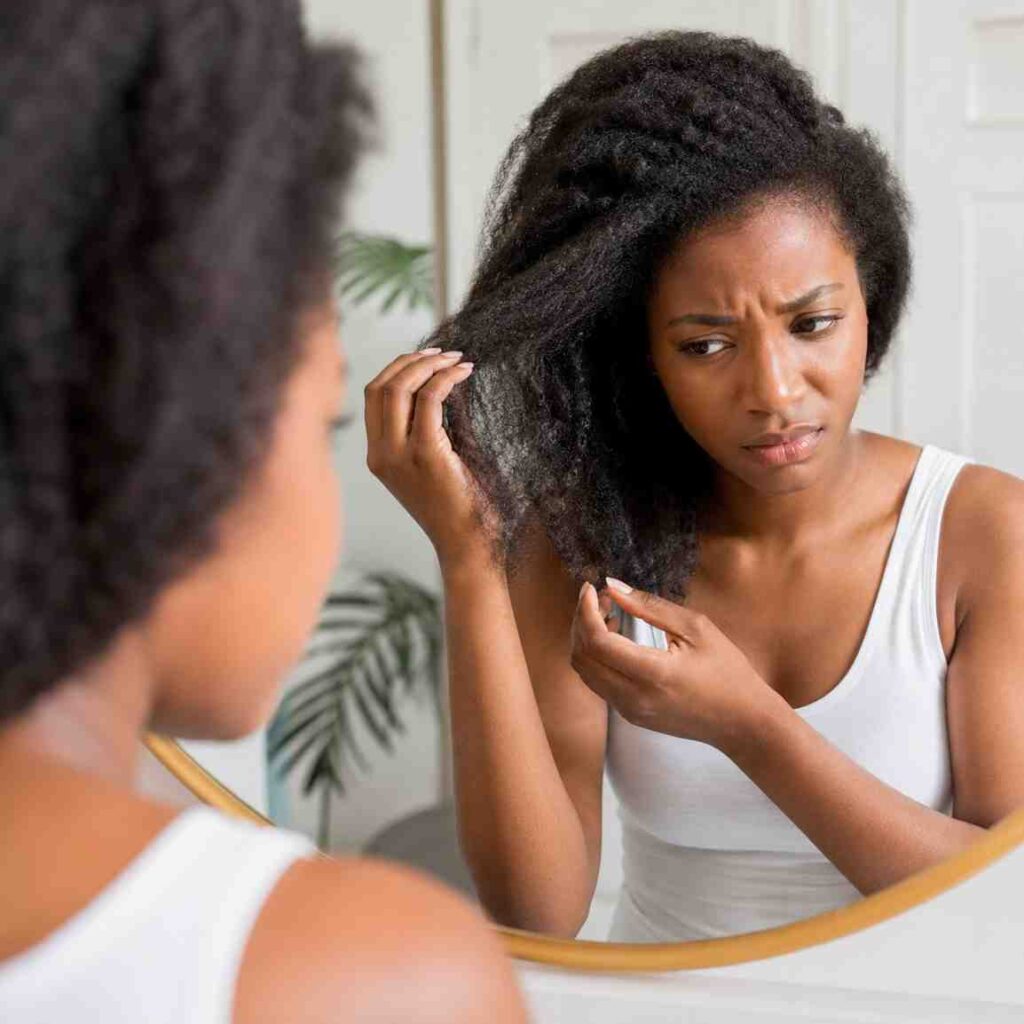
High porosity hair can be genetic, or it can result from heat damage, chemical processing, and environmental exposure. Either way, the challenge is the same: your hair drinks up water but cannot hold onto it.
These 7 high porosity hair moisture retention tips will give you a practical routine that actually keeps your strands hydrated. Each tip builds on the next, so by the end, you will have a complete strategy – not just random advice.
Why High Porosity Hair Loses Moisture So Fast
To fix the problem, you need to understand it. Every strand of hair is covered by a hair cuticle – a layer of overlapping scales, like shingles on a roof. In healthy hair, those scales lie flat and close together. They keep moisture inside and protect the inner structure of the strand.
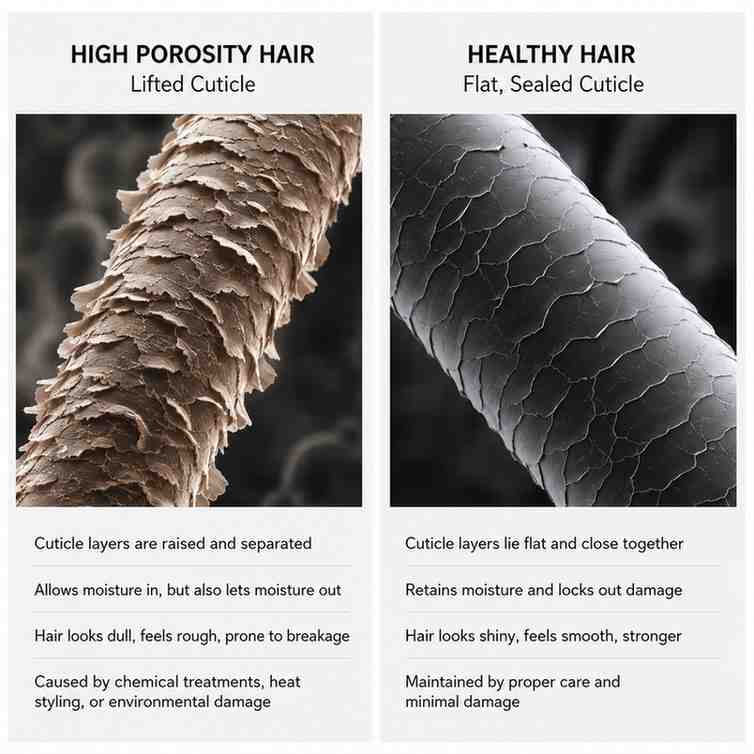
In high porosity hair, the hair cuticle is lifted or damaged. The scales do not close properly. Water gets in fast – which feels good at first – but it also exits just as fast. Nothing seals it in.
Common causes include:
- Heat damage from frequent flat irons or blow dryers
- Chemical processing such as relaxers, bleach, or color treatments
- Environmental exposure to UV rays, hard water, or dry climates
- Genetics – some people are simply born with naturally higher porosity
The result is hair that looks dull, feels rough, and breaks easily. The good news is that the right routine can slow that moisture loss significantly.
Tip 1: Use a Protein Treatment to Repair Your Hair Cuticle
What to do: Add a protein treatment to your routine every two to four weeks. Protein fills in the gaps and holes along the hair cuticle, giving your strand structure and a smoother surface.
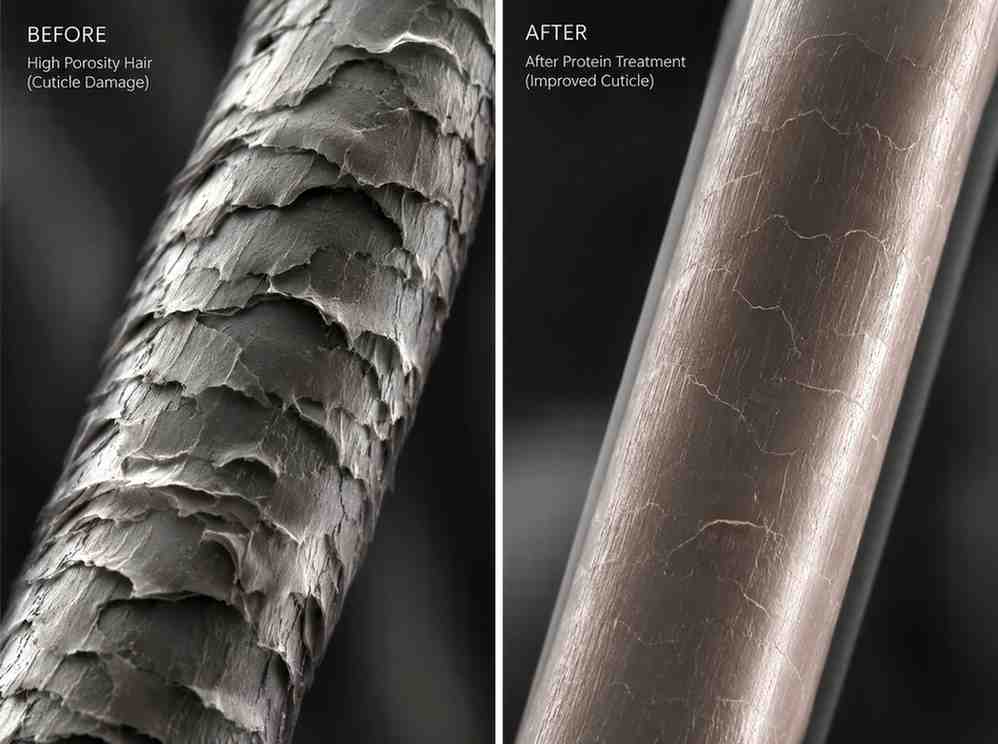
Why it works: High porosity hair often has weak, damaged areas along each strand. Protein – such as hydrolyzed keratin, rice protein, or wheat protein – bonds temporarily to those areas and reinforces the cuticle. This is the foundation of a good protein-moisture balance in your hair routine.
How to do it:
- Apply the protein treatment to clean, damp hair
- Focus on the mid-lengths and ends where damage is heaviest
- Leave on for the time listed on the product – do not exceed it
- Follow immediately with a deep conditioner to restore softness
Product type to use: A reconstructing protein treatment or a protein-rich deep conditioner. Look for ingredients like hydrolyzed keratin, silk amino acids, or egg protein.
Tip 2: Deep Condition Every Week – and Use Heat
What to do: Deep condition your hair once a week. Apply your deep conditioner and use a heat source – a hooded dryer or a heated cap – for 20 to 30 minutes.
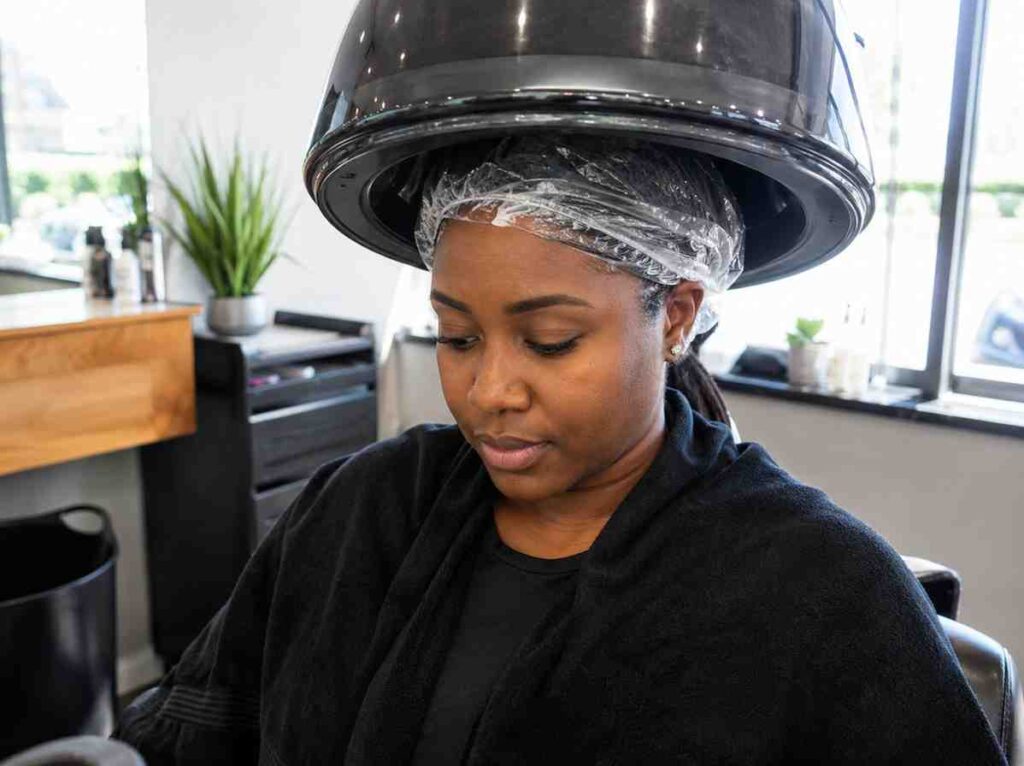
Why it works: Deep conditioning high porosity hair delivers concentrated moisture directly into the strand. Heat causes the cuticle to open slightly, which lets the conditioner penetrate deeper. Think of it like opening a jar – the lid needs to lift for anything to get inside. Without heat, conditioner sits mostly on the surface.
How to do it:
- Shampoo your hair first to remove buildup
- Apply a generous amount of deep conditioner from root to tip
- Cover with a plastic cap or shower cap
- Sit under a hooded dryer or use a heated conditioning cap for 20 to 30 minutes
- Rinse with cool water – not hot – to begin closing the cuticle
Product type to use: A moisturizing deep conditioner with ingredients like shea butter, honey, aloe vera, or coconut oil.
Tip 3: Use the LCO Method to Layer Your Products the Right Way
What to do: Apply your products in the LCO order – Liquid, Cream, Oil. This layering method works better for high porosity hair than the LOC method, which places oil before cream.
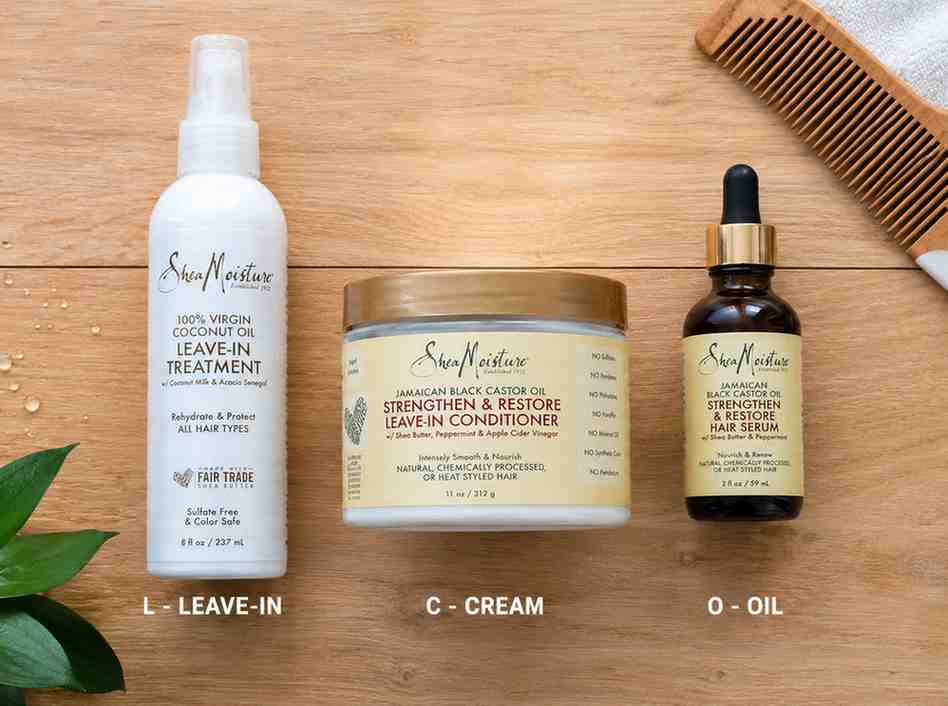
Why it works: The LOC method (Liquid, Oil, Cream) works well for low porosity hair because the oil layer traps moisture under a thick cream. For high porosity hair, the problem is different: your cuticle is already open. You need the cream to fill and smooth first, then the oil to form the final seal on the outside. The LOC method high porosity hair community often recommends flipping to LCO for better results.
How to do it:
- L – Liquid: Apply a water-based leave-in conditioner to damp hair as your moisture base
- C – Cream: Apply a moisturizing cream or butter to smooth and soften the cuticle layer
- O – Oil: Seal with a heavier oil as the final step to lock everything in
Product type to use: A lightweight leave-in conditioner for porous hair, a moisturizing cream, and a sealing oil like jamaican black castor oil or grapeseed oil.
Tip 4: Rinse with Cool Water to Close the Cuticle After Washing
What to do: After rinsing out your conditioner, finish with a cool or cold water rinse for 30 to 60 seconds before leaving the shower.
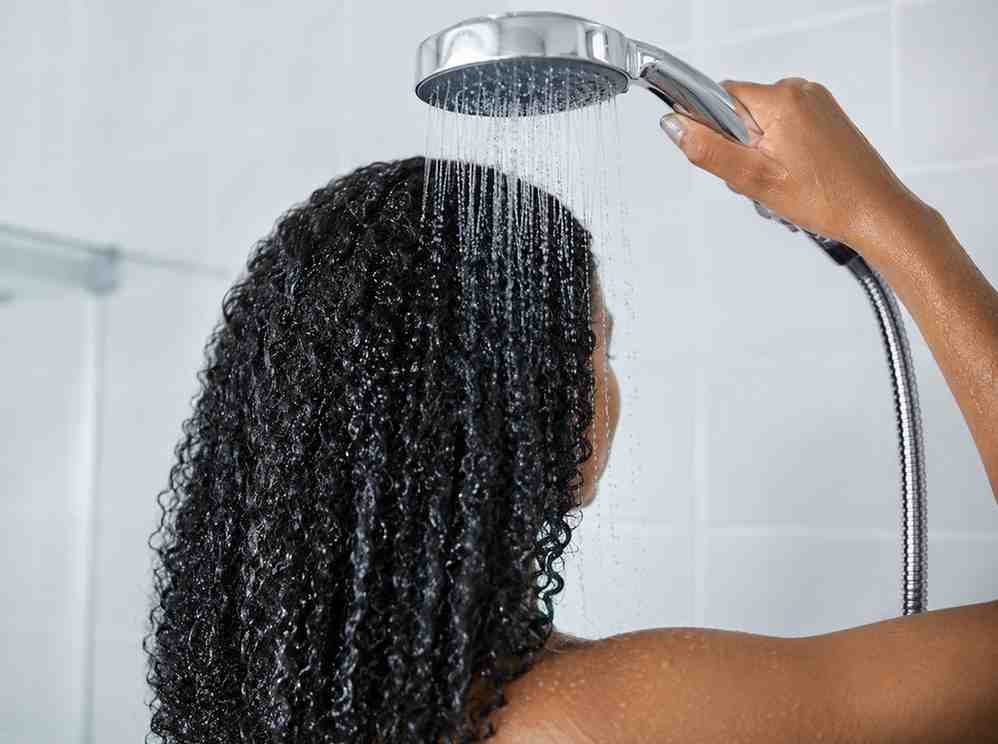
Why it works: Hot water causes the cuticle to open – which is why your hair feels soft and slippery during a warm shower. Cool water does the opposite. It encourages the cuticle to close and lie flat, which keeps moisture sealed inside the strand. This is one of the simplest high porosity hair care routine adjustments you can make today.
How to do it:
- Complete your wash and conditioning routine as normal
- Turn the water to cool or cold before stepping out
- Rinse your entire head for at least 30 seconds
- Gently squeeze excess water from your hair – do not rub with a towel
It does not need to be uncomfortably cold. Even lukewarm is better than hot. Your hair porosity water absorption rate responds to temperature, and cooler water immediately helps reduce moisture loss.
Tip 5: Choose Humectants Carefully Based on Your Climate
What to do: Add humectants to your routine – but check your local humidity level first. Humectants for hair like glycerin and aloe vera draw water from the air into your strands. In humid climates, this works well. In dry climates, they pull moisture out of your hair instead.
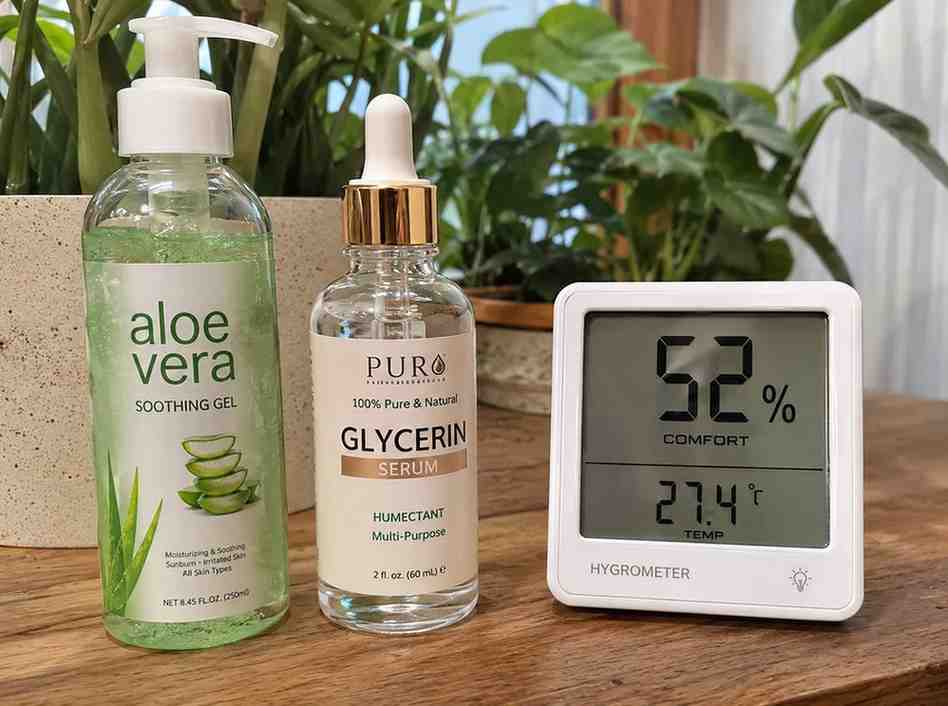
Why it works: Humectants attract water molecules. In high-humidity environments, there is plenty of atmospheric moisture to draw from, so your hair stays hydrated. In low humidity – like during winter or in dry regions – humectants pull moisture from inside your strands toward the dry air, which makes hair porosity and moisture loss worse.
How to use humectants safely:
- In humid climates: Use glycerin, aloe vera, and honey freely in your routine
- In dry climates or cold winter months: Dilute glycerin-heavy products or swap them for products with less glycerin
- Always layer a cream and oil over your humectant-based products to seal the moisture in
- Aloe vera gel works well as a lightweight liquid step in the LCO method
Tip 6: Use Protective Styles to Reduce Manipulation and Retain Length
What to do: Wear protective styles – braids, twists, buns, or updos – for a portion of the week. Limit daily detangling and manipulation of your hair to the minimum needed.
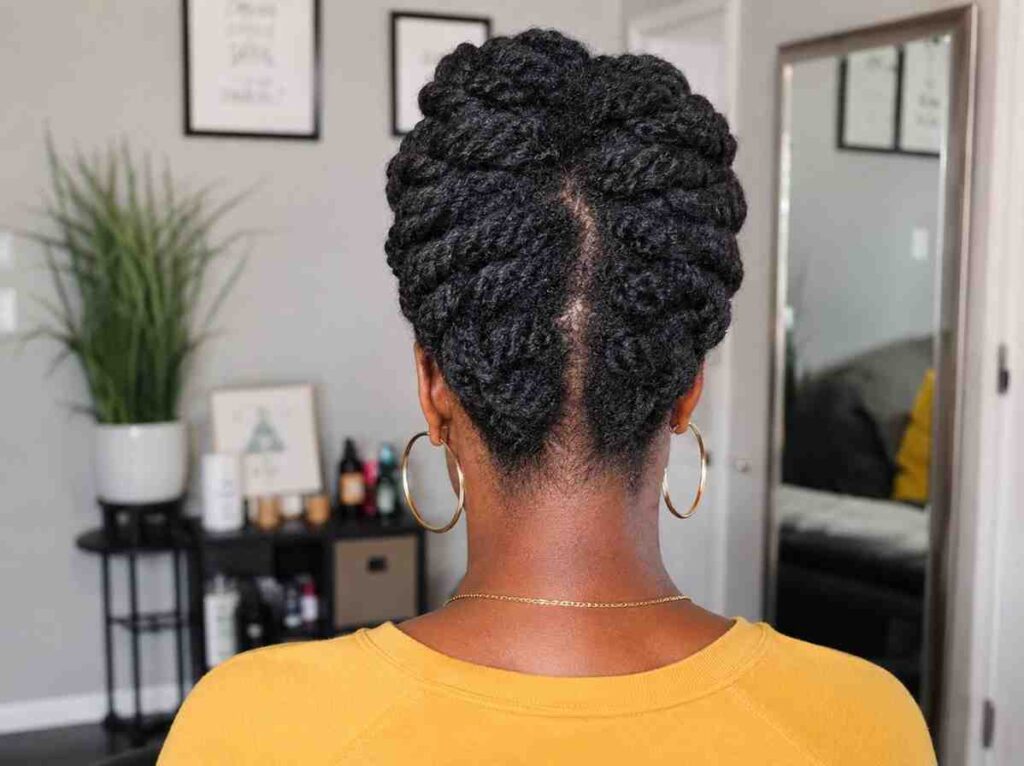
Why it works: Every time you touch your hair, you create friction. Friction lifts already-damaged cuticles further, causes breakage, and strips away the product layers you carefully applied. High porosity hair is already fragile. Reducing manipulation means fewer breakage points, which means longer strands and better moisture retention over time.
How to do it:
- Detangle only on wash day, not daily – use a wide-tooth comb or your fingers
- Sleep on a satin or silk pillowcase, or use a satin bonnet, to reduce friction overnight
- Wear twists, braids, or a protective updo for several days between wash days
- Avoid tight styles that create tension at the roots – this causes breakage at the scalp
Low-manipulation styling does not mean you cannot style your hair. It means being intentional about when and how you handle it.
Tip 7: Seal with an Occlusive to Lock in Everything You Have Applied
What to do: Finish your routine with a heavy butter or oil as your final step. This is your occlusive layer – its job is to form a barrier on the outside of the strand and stop moisture from evaporating.
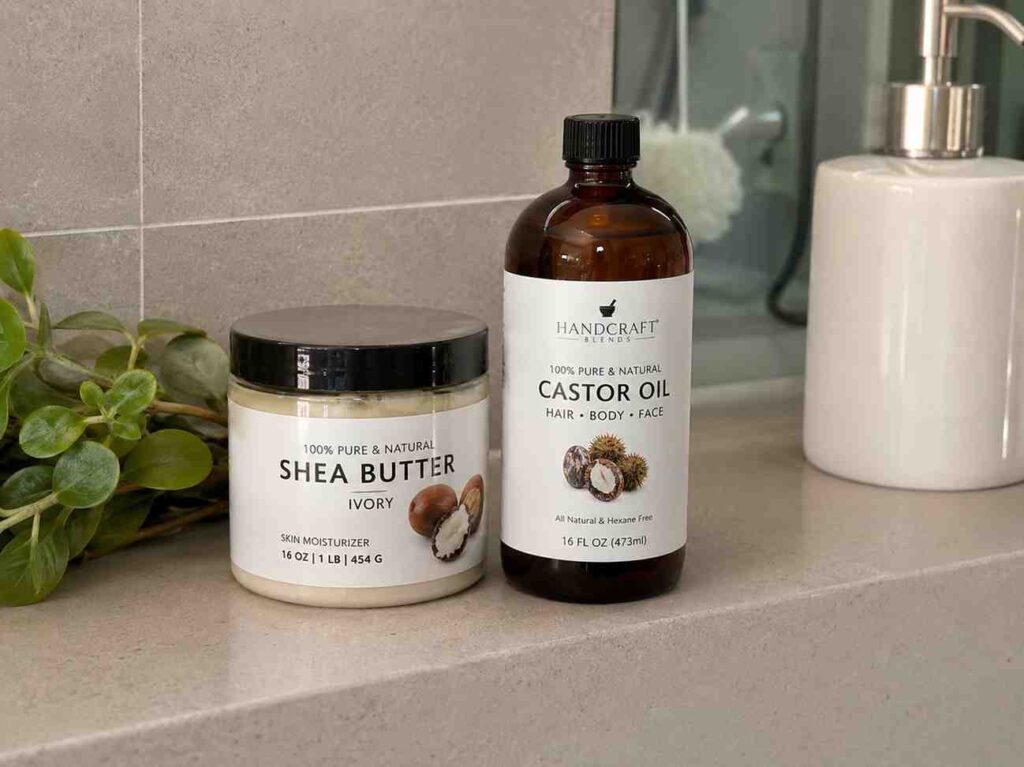
Why it works: Emollients (like lighter oils and creams) soften and smooth the hair. Occlusives (like shea butter and castor oil) create a physical barrier. Sealing hair moisture with an occlusive is like applying a coat of wax to a wooden table after polishing it – the wax holds everything in place. Without a sealing layer, even well-moisturized high porosity hair loses hydration within hours.
How to do it:
- Apply your occlusive as the very last step in your routine – after your liquid and cream
- Use a small amount: a pea-size portion of shea butter or one to two pumps of castor oil
- Focus on the ends of your hair, which are the oldest and most porous
- Do not skip this step on wash day – it is what determines how long your moisture lasts
Product types to use: Shea butter, jamaican black castor oil, mango butter, or a cream with a high butter content. These are your best occlusives for damaged hair cuticles.
What to Avoid with High Porosity Hair
Some habits make moisture retention harder, no matter how many good products you use. Cut these out of your routine and you will see faster results.
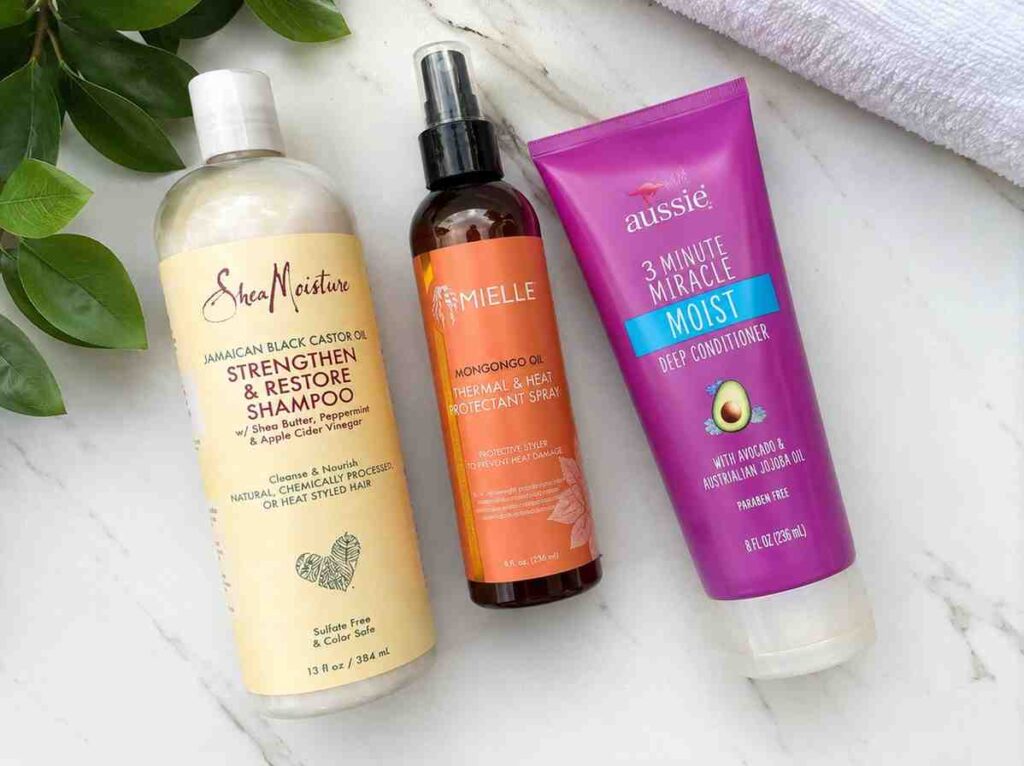
- Sulfate shampoos: Sulfates strip the natural oils from your hair. High porosity hair already struggles to retain moisture – removing your natural oils makes the problem worse. Use a sulfate-free or low-lather shampoo instead.
- Excessive heat styling: Flat irons, curling wands, and blow dryers on high heat further damage an already-lifted hair cuticle. If you use heat, always apply a heat protectant and keep the temperature below 400 degrees.
- Alcohol-based products: Short-chain alcohols like isopropyl alcohol and ethanol dry the hair out quickly. Check product ingredient lists. Not all alcohols are drying – fatty alcohols like cetyl alcohol are fine.
- Skipping protein: Moisture alone is not enough for high porosity hair. Without protein to fill the gaps in the cuticle, your routine will only go so far. Keep protein in your rotation every two to four weeks.
- Overwashing: Washing your hair too frequently removes the product layers you work hard to build. For high porosity hair, washing once a week – or every seven to ten days – is usually enough.
Build a Routine That Both Adds and Holds Moisture
High porosity hair needs a two-part approach: first, you deposit moisture, then you seal it in. One without the other does not work. Protein reinforces the structure. Moisture hydrates the strand. Sealing keeps it all in place.
The framework is simple: protein plus moisture plus sealing equals retention. These high porosity hair moisture retention tips work together as a system, not as individual quick fixes.
Start with one tip this week. Add a cool water rinse, try the LCO method, or seal with shea butter after your next wash. Build from there at your own pace. Consistent small changes add up faster than you expect.