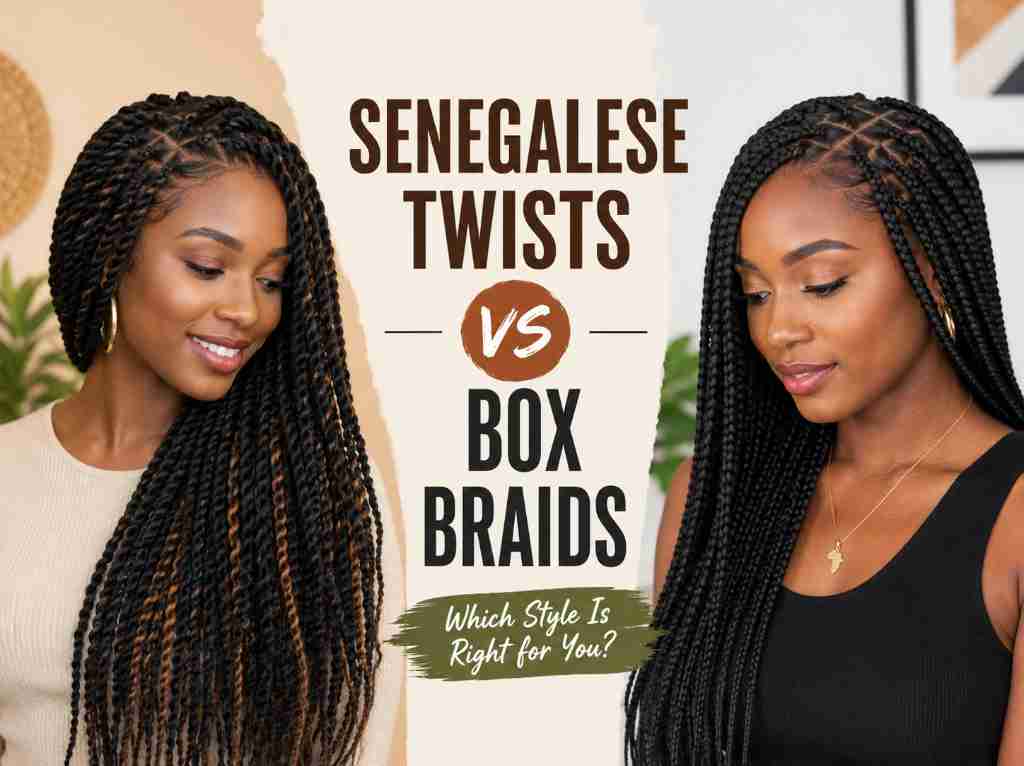

You are standing in the salon chair, and you have to choose. Do you go with Senegalese twists, or do you book box braids? Both look great. Both protect your hair. But one will last longer, cost you less per week, and be easier to manage on a busy morning. That is the real question in the senegalese twists vs box braids which lasts longer debate – and this article gives you a direct answer.
Here is what you will find in this article: a clear breakdown of what each style is, how long each one lasts, which costs more, which causes less damage, and which one is easier to maintain. By the end, you will know exactly which protective style suits your hair type, lifestyle, and budget.
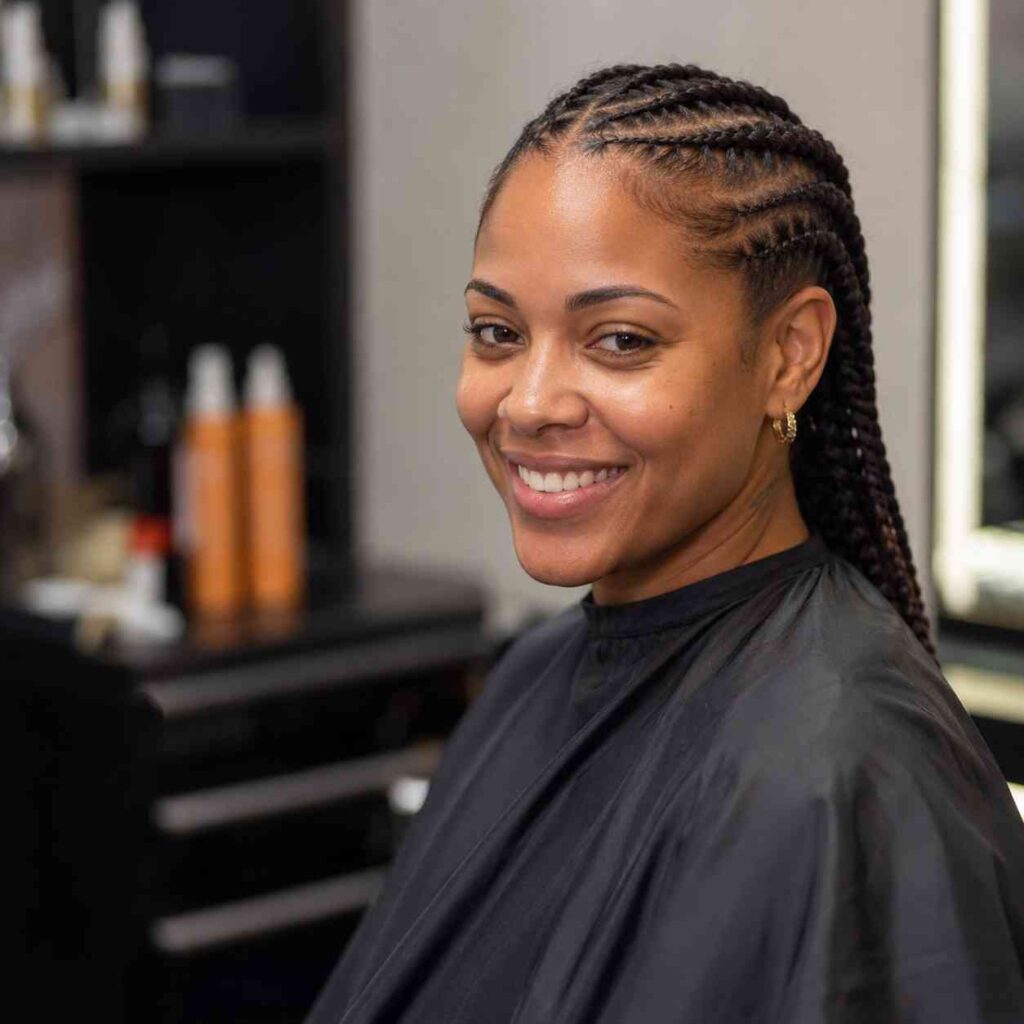
The short answer: Senegalese twists generally last longer – but box braids offer more styling options. Read on to find out which one wins for you.
What Are Senegalese Twists?
Senegalese twists are a two-strand twist style. A stylist wraps two sections of hair around each other from root to tip, adding extension hair as they go. The extension hair used is typically Kanekalon or Marley hair – Kanekalon is a smooth, synthetic fiber that mimics the look of relaxed hair.
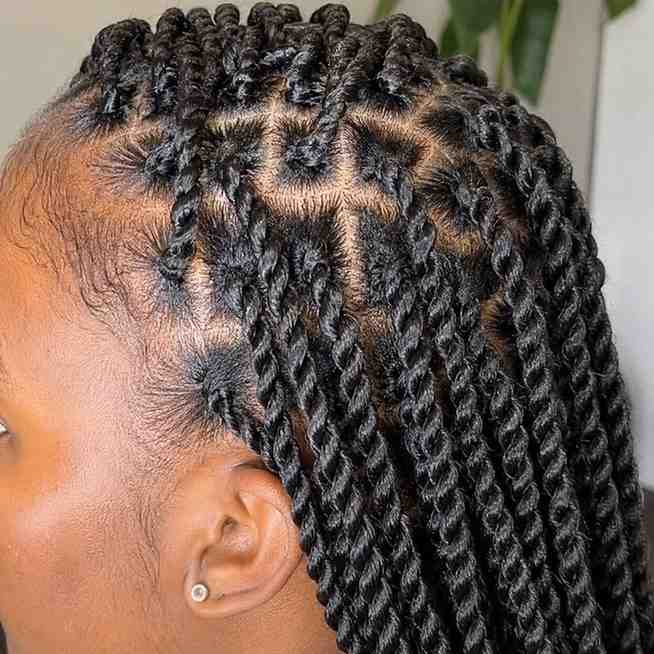
The finish is sleek and rope-like. Each twist lies smooth against itself with minimal puffiness. The texture is defined and clean, which is why many people choose this style for professional settings.
Key facts about Senegalese twists:
- Install time: 4 to 8 hours, depending on size and length
- Hair used: Kanekalon or Marley synthetic extension hair
- Finish: Smooth, rope-like, and sleek
- Best for: Medium to thick natural hair; those who want a polished, low-fuss look
This style works best for people who want a neat, structured result. If your hair holds moisture well and you have a lifestyle that does not allow much daily styling, Senegalese twists are a strong choice.
What Are Box Braids?
Box braids are a three-strand braid style. A stylist divides your hair into small square or rectangular sections – called boxes – and braids each section from root to tip, adding extension hair. Box braids get their name from those square sections at the scalp.

You can get box braids in small, medium, or large sizes. Small braids take longer to install but last longer. Large braids go in faster but may loosen sooner. Knotless box braids – a version where the extension hair feeds in gradually with no knot at the root – have grown popular because they reduce tension on the scalp. Tension refers to the pulling force on your hair follicles during installation.
Key facts about box braids:
- Install time: 4 to 10 hours, depending on size
- Hair used: Kanekalon synthetic extension hair
- Finish: Full, dimensional, and versatile
- Best for: All hair types; those who want styling flexibility and size options
Box braids suit almost every hair type. If you love switching up your look – high buns, ponytails, half-up styles – box braids give you more to work with.
Senegalese Twists vs Box Braids: Which Lasts Longer?
This section targets the core comparison most people care about. Both styles protect your natural hair by keeping it tucked away, but they do not wear at the same rate.

Senegalese twists last 6 to 8 weeks on average.
The smooth Kanekalon fiber used in twists does not absorb much moisture or lint. That means the style stays neater for longer. The main reason twists break down is unraveling. If the ends are not sealed properly, the twist will loosen from the bottom up. Frizz at the root is the other enemy – it appears after two to three weeks as new hair growth pushes through.
Box braids last 4 to 8 weeks on average.
Small box braids tend to last closer to 8 weeks. Large box braids may start to look worn by week 4 or 5. The three-strand structure is more secure than a two-strand twist, so individual braids rarely unravel. The main cause of breakdown is frizz from new growth, lint buildup in the braid, and edge tension causing the style to look puffy near the roots.
The clear winner for longevity: Senegalese twists.
Twists maintain their shape longer because the smooth extension fiber repels frizz. However, small box braids come close – and they are far less likely to unravel than twists if not properly sealed.
Maintenance habits that extend each style:
- Wrap your hair in a satin scarf or bonnet at night to reduce frizz
- Apply a lightweight oil – like jojoba or argan oil – to your scalp every 3 to 4 days
- For twists: seal the ends with warm water or a styling mousse to prevent unraveling
- For braids: use a soft-bristle brush to smooth flyaways at the root
Senegalese Twists vs Box Braids: Side-by-Side
Use this table to compare both styles at a glance:
| Factor | Senegalese Twists | Box Braids |
| Average Lifespan | 6 to 8 weeks | 4 to 8 weeks (size-dependent) |
| Install Time | 4 to 8 hours | 4 to 10 hours |
| Average Cost | $150 to $300 (hair + install) | $150 to $350 (hair + install) |
| Maintenance Level | Low – minimal daily upkeep | Low to moderate – slight more frizz management |
| Style Versatility | Moderate – buns, ponytails | High – buns, ponytails, half-up, more volume |
| Best For | Thick or medium natural hair, polished looks | All hair types, active lifestyles, style variety |
| Risk of Damage | Low – minimal tension if installed correctly | Low to moderate – knotless version reduces tension |
Which Style Causes Less Hair Damage?
Both styles protect your natural hair from daily manipulation. The key difference is how much tension each style puts on your scalp during installation.
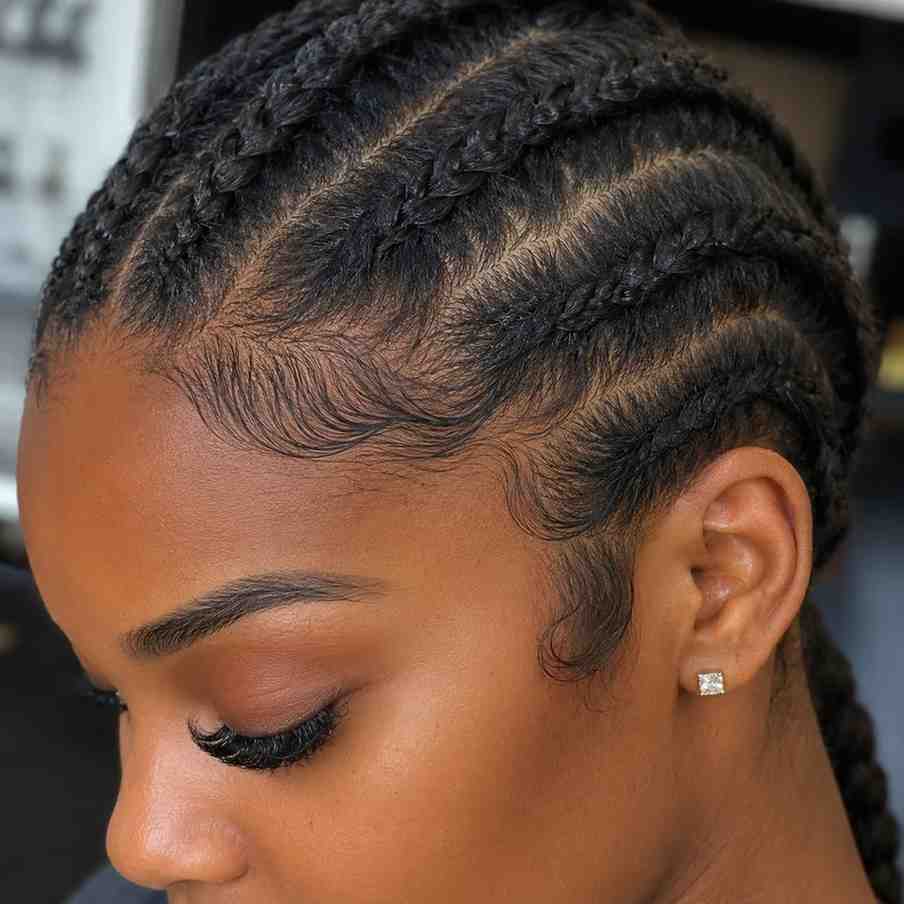
Senegalese twists use a wrapping motion rather than a three-strand pull. This means the twisting action places less force on your follicles. For people with fine or fragile edges – edges refer to the delicate baby hairs along your hairline – twists are generally the safer option.
Box braids, especially traditional box braids with a knot at the root, create more tension during install. That tension can cause tension alopecia over time – tension alopecia is hair loss caused by repeated or prolonged pulling on the follicles. Knotless box braids solve much of this problem by feeding in hair gradually, which distributes weight more evenly.
The role of your stylist matters more than the style itself.
A skilled hair stylist who does not pull too tight will protect your edges regardless of which style you choose. Always speak up during your install if you feel discomfort.
One practical tip for each style:
- Senegalese twists: ask your stylist to leave a small amount of natural hair out at the root to reduce scalp tension
- Box braids: request knotless installation and avoid adding too much extension hair, which adds unnecessary weight
Cost Comparison: Senegalese Twists vs Box Braids
Cost depends on your location, your stylist’s rates, and the amount of braiding hair – the extension product used to add length and volume – that you need.
Senegalese twists: $150 to $300 total.
Hair packs cost $20 to $50 total. Stylist fees range from $120 to $250. At 7 weeks average wear, that works out to roughly $21 to $43 per week.
Box braids: $150 to $350 total.
Hair packs cost $20 to $60. Stylist fees range from $120 to $290. At 6 weeks average wear, that works out to roughly $25 to $58 per week.
The key driver of cost is install time. Smaller braids take longer, which raises the stylist fee. When you factor in longevity, Senegalese twists often deliver a lower cost-per-week.
Which Style Is Easier to Maintain?
Day-to-day maintenance for both styles is simple – but not identical.

Senegalese twists – weekly routine:
- Mist your scalp with water or a diluted leave-in conditioner every 3 to 4 days
- Apply a lightweight oil like jojoba or sweet almond oil to your scalp – not the twists themselves
- Re-smooth any frizzy edges with a small amount of edge control gel
- Sleep with a satin bonnet or on a satin pillowcase every night
- Best product: a lightweight scalp oil or a moisturizing hair mist
Box braids – weekly routine:
- Cleanse your scalp every 2 to 3 weeks with a diluted clarifying shampoo – diluted means mixed with water to reduce product buildup
- Apply a light oil to your scalp twice a week
- Use a mousse or braid spray to tame frizz along the lengths of the braids
- Sleep with a satin bonnet to reduce lint and frizz
- Best product: a braid refresher spray or an anti-frizz mousse
Twists require less active maintenance than braids. Because the smooth fiber resists frizz, you spend less time re-smoothing the style. Box braids need more regular cleansing because the open braid structure traps more oil and product buildup.
Which Style Should You Choose?
Here is a direct recommendation based on your hair type, lifestyle, and budget.
Choose Senegalese twists if:
- You have medium to thick natural hair that holds a twist well
- You want a polished, professional look for work or events
- You are on a tighter budget and want more weeks per dollar
- You prefer low daily maintenance and do not want to restyle often
Choose box braids if:
- You have thin, fine, or fragile hair – knotless box braids reduce scalp tension
- You want maximum styling flexibility – updos, half-up styles, ponytails with volume
- You lead an active lifestyle and need a style that holds up to sweat and frequent washing
- You like changing your look throughout the wear period
Based on budget:
If you want the most value per week, Senegalese twists win. They last slightly longer and cost the same or less to install.
The overall winner: Senegalese twists – for longevity, cost-per-week, and low maintenance.
Box braids are the better pick if you value styling variety and have a more active life. Both are excellent protective styles. The right choice is the one that fits your hair and your schedule.
Conclusion
Here are the three most important points from this comparison:
- Senegalese twists last 6 to 8 weeks and require less daily maintenance than box braids
- Box braids offer more styling options and work for a wider range of hair types, especially with a knotless install
- Cost-per-week is lower with Senegalese twists when you factor in their longer lifespan
Whether you choose a twists vs braids protective style comparison or already know your winner, the best next step is to book a consultation with a skilled hair stylist. In the Senegalese twists vs box braids debate, neither style is wrong – but one is likely a better match for your hair right now.
Tried one of these styles recently? Leave a comment below and share how long your style lasted. Your experience helps other readers make the right choice.